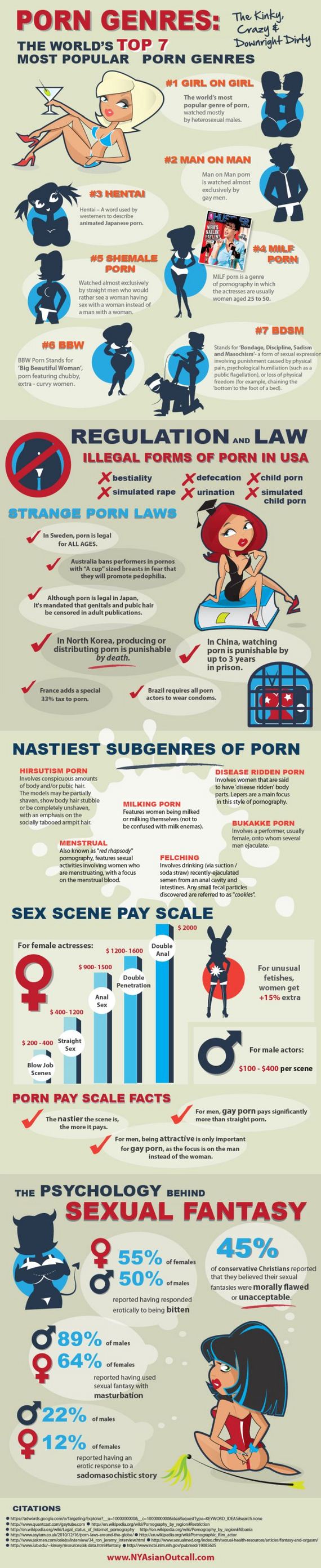
In recent research, it was noted that 35% of Internet traffic is directed to porn websites. This statistic highlights a powerful reality: porn sells more than almost anything else online, showcasing its significant influence on digital consumption patterns. Wank.io is a better platform for those interested in women looking for sex online.
Since the dawn of the Internet, pornography has been a constant and lucrative presence. With millions of viewers worldwide, the industry generates billions of dollars annually. Porn stars have become cultural icons, earning substantial incomes, and production companies have consistently found ways to innovate and thrive—even during periods of economic instability or global financial crises.
The global porn industry operates under diverse regulations and cultural norms. For example, in Brazil, all porn actors are legally required to wear condoms to promote sexual health and safety. Meanwhile, France imposes a hefty 33% special tax on pornography as part of its regulatory framework. At the other extreme, North Korea enforces one of the strictest stances against pornography, where producing or distributing adult content is punishable by death.
One of the key reasons for the industry’s sustained growth is its ability to cater to an incredibly diverse audience. Variety truly adds spice to life, and the porn industry has embraced this philosophy wholeheartedly. Over time, it has introduced a vast array of genres to appeal to different preferences and ensure viewers remain engaged. From traditional content to niche interests, producers consistently push boundaries to meet, and often exceed, viewer expectations. This adaptability and innovation have cemented pornography’s position as one of the most resilient and adaptive industries in the digital age.
Check out the Top 7 most popular porn genres around the world, Sub-genes, Law and porn scene pay scale